

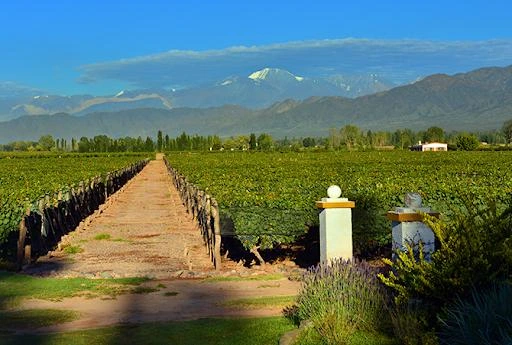
The Mendoza wine region produces around two-thirds of Argentina’s wine, making it the country’s undisputed epicenter of viticulture. Stretched across the foothills of the Andes Mountains at altitudes between 1,900–3,600 feet, Mendoza has become synonymous with Malbec, a grape that found its perfect terroir here after nearly disappearing in its native France. With four distinct sub-regions and world-class Mendoza wineries ranging from small family operations to established estates, the Mendoza wine region offers travelers an experience of serious Mendoza Argentina wine at a fraction of what you’d pay in California or Bordeaux. I spent months driving these valleys, meeting winemakers from sunrise tastings to late-night asados, and photographing everything from harvest mornings to the snow-capped peaks of the Andes. The stories in these vineyards-of Italian and Spanish immigrants who planted the first vines, of winemakers experimenting with altitude and frost-resistant rootstock, of a region that learned to make wine for itself instead of shipping grapes abroad are as compelling as what’s in the glass.
Mendoza at a Glance
|
Mendoza’s Share In Argentina’s Wine Production |
Around two-thirds |
|
Signature Grape |
Malbec |
|
Other Key Varieties |
Bonarda, Cabernet Sauvignon, Cabernet Franc, Chardonnay |
|
Average Vineyard Altitude |
1,900–3,600 feet |
|
Sub-Regions |
Luján de Cuyo, Maipú, Valle de Uco, San Rafael |
|
Harvest Months |
February–April |
|
Best Months to Visit |
March–May (Fall), September–November (Spring) |
|
Nearest Airport (Code) |
Mendoza (MDZ) |
|
Closest International Hub |
Santiago, Chile |
|
Flight Time from Santiago |
Approximately two hours |
|
Typical Winery Tasting Fee |
$10–$20 USD per person |
|
Primary Language |
Spanish |
Why Visit the Mendoza Wine Country
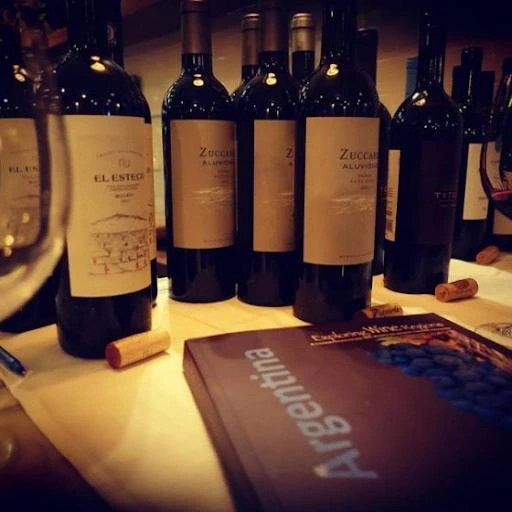
The physical setting of Mendoza wine country is inseparable from what’s in the bottle. Vineyards sit in the rain shadow of the Andes, where annual rainfall averages just 8.7 inches. Snowmelt from the mountains captured in the same irrigation channels the Spanish built in the 1600s keeps the vines alive through the dry season. The altitude itself is the story: at 1,900 feet and higher, the intense high-altitude sunlight burns intensely while nights drop sharply, allowing grapes to ripen fully while retaining acidity. This day-to-night temperature swing, called diurnal temperature variation, is what gives Malbec Mendoza its distinctive character-deeper color, riper fruit, softer tannins than its Cahors cousin. For a wine tasting Mendoza traveler, Mendoza wine country offers something California and Bordeaux no longer do: comparable quality at far lower cost, combined with a level of access you cannot find elsewhere. When visiting Mendoza Argentina, you’ll discover that estates here still welcome small groups personally. A full day of wine tasting, including two estates and a winery lunch, costs less than a single tasting at a Napa icon. This combination of world-class wine, personal attention, and reasonable prices is what draws serious wine travelers to Mendoza Argentina.
The Sub-Regions of Mendoza
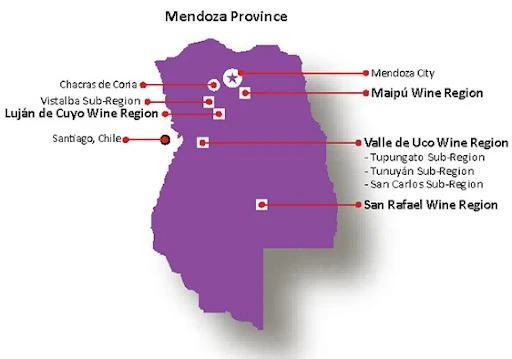
Mendoza is not one place. Four distinct sub-regions spread across different altitudes, soils, and climates, each with its own character and winery culture.
Luján de Cuyo – The Original Malbec Terroir
Luján de Cuyo was Argentina’s first Denominación de Origen Controlada (DOC), recognized in 1993 for Malbec. It lies 30 to 45 minutes from Mendoza city. The historic heart of Argentine Malbec, Luján de Cuyo is where the region’s earliest serious winemakers established themselves, and where the conversation about Luján de Cuyo wineries still centers on terroir and tradition. Many of some of the best wineries in Mendoza are concentrated here, offering visitors access to Malbec Mendoza in its purest form. This is where you start when exploring Mendoza Argentina wine.
Maipú – The Traditional District
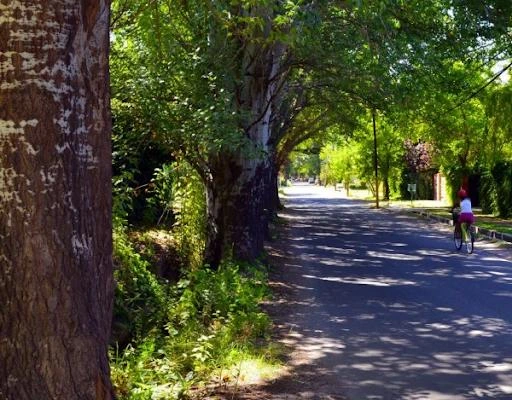
Maipú has the oldest established vineyards and sits closest to the city. The terrain is notably flatter than its neighbors, making this the best sub-region for wine touring by bicycle. Cycling between family-run Mendoza wineries and smaller producers creates one of the most unique wine tasting Mendoza experiences. A long, leisurely morning on two wheels, stopping for tastings mid-ride, is a quintessential Mendoza experience and showcases why visiting Mendoza Argentina appeals to adventurous travelers.
Valle de Uco – The High-Altitude New Wave
Valle de Uco sits 90 minutes south at altitudes between 3,000–4,000 feet. This is where most serious new investment has poured into the region. Valle de Uco’s altitude-driven intensity makes it home to some of the best wineries in Mendoza for cutting-edge winemaking. Organized Mendoza wine tours often feature Valle de Uco alongside Luján de Cuyo wineries, allowing visitors to taste how altitude shapes Malbec Mendoza.
San Rafael – The Southern Detour
San Rafael lies three hours south and marks a separate trip. The landscape shifts here-canyons, higher elevations, adventure-oriented tourism. While fewer travelers explore this region compared to visiting the main Mendoza wineries, San Rafael offers excellent estates and a wilder setting. Plan to stay overnight if you venture here.
Malbec in Mendoza: Why It Works Here
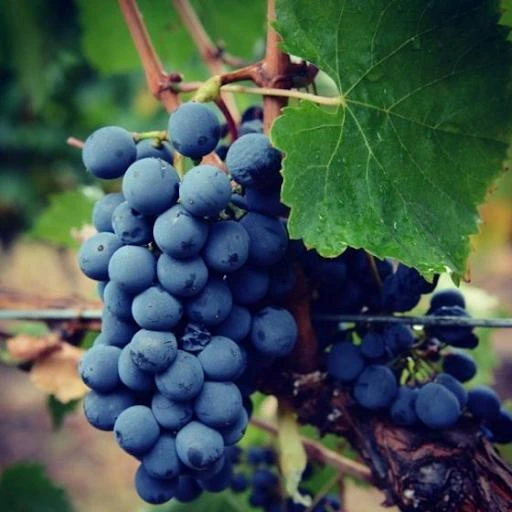
Malbec arrived in Argentina from Cahors, France, in the 1850s. In France, the variety had fallen from favor. In Mendoza, the opposite happened. The grape found a climate that coaxed out its best qualities and discovered a region that would make it famous again. Today, Malbec Mendoza represents the finest expression of this historic varietal.
What Altitude Does to the Grape
Altitude is the mechanism that makes Malbec work in Mendoza. High-altitude sunlight is intense. This intense light, combined with the wide diurnal temperature swing-warm days, cold nights-pushes the grape to ripen fully while maintaining acidity. The fruit becomes riper, more concentrated. The tannins soften. The color deepens. You end up with a wine that tastes riper and more voluptuous than Cahors Malbec, but with structure and acidity that keep it from collapsing into jammy excess. This altitude advantage is why Mendoza Argentina wine stands apart globally.
What Mendoza Malbec Tastes Like
In the glass, Malbec Mendoza varies dramatically by altitude and sub-region. In Maipú, where altitudes are lower, the wine tends toward generous fruit, softer edges, and earlier drinkability. Valle de Uco Malbec Mendoza, from high-altitude vineyards, tastes leaner, more structured, with darker berry notes. Understanding these differences is key when planning wine tasting Mendoza experiences.
Some Of The Best Wineries in Mendoza
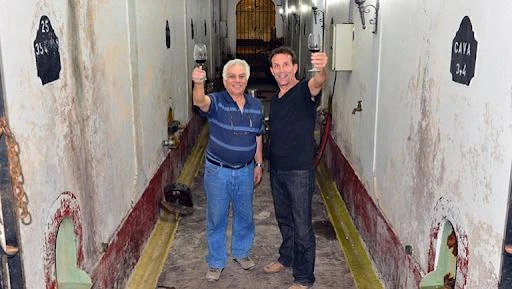
Visiting a winery in Mendoza requires an advance appointment. A typical wine tasting Mendoza session lasts 60 to 90 minutes and includes three to five wines, usually paired with local cheese or charcuterie. Organized Mendoza wine tours run $60–$100 per person for a full day with two or three tastings and lunch included.
|
Estate |
Sub-Region |
Appointment |
Known For |
|
Nieto Senetiner |
Luján de Cuyo |
Yes |
Historic family estate, Malbec depth |
|
Belasco de Baquedano |
Luján de Cuyo (Agrelo) |
Yes |
Old-vine Malbec, Michel Rolland consulting |
|
Carmelo Patti |
Luján de Cuyo |
Only |
Small-producer story, hands-on visits |
|
Bodega Viamonte |
Valle de Uco |
Yes |
High-altitude Malbec, modern winemaking |
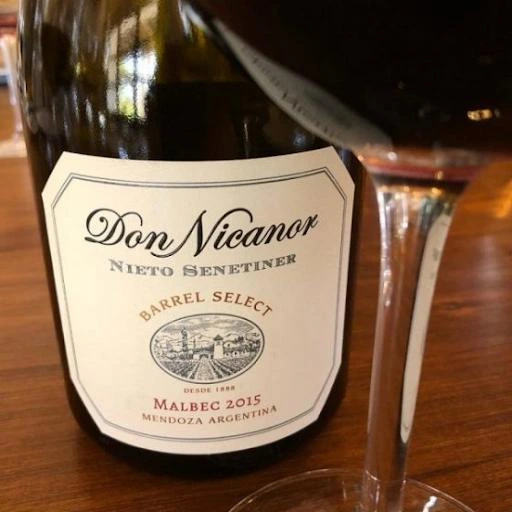
Nieto Senetiner
Founded in 1888, Nieto Senetiner is one of the oldest estates still operating in Argentina. The tasting room sits in a grand colonial building in Vistalba, Luján de Cuyo. The winery focuses on Malbec and Bonarda, with a house style emphasizing balance. Among some of the best wineries in Mendoza for history and tradition, it anchors many professional Mendoza wine tours.
Belasco de Baquedano
In Alto Agrelo, Belasco de Baquedano tends old-vine Malbec from vineyards planted between 1910 and 1938. Head winemaker Belén Muñoz works with Michel Rolland, the legendary Bordeaux consultant. This is one of some of the best wineries in Mendoza for understanding Malbec Mendoza at its finest.
Bodega Viamonte
Located at 3,500 feet in Valle de Uco, Bodega Viamonte represents the new wave of high-altitude ambition. The wines are modern-precise, structured, mineral-driven. Among some of the best wineries in Mendoza for innovative approaches to Malbec Mendoza, it represents the future of the region.
Eating in Mendoza
The parrilla-Argentina’s grilled meat tradition is essential when you visit Mendoza wine country. Asado, the long, leisurely grilled meal, is where wine and food culture converge. Fatty, smoky, charred meat paired with full-bodied Malbec Mendoza is a pairing built into the region’s identity. Malbec’s tannins and acidity cut through the richness. Bonarda, Mendoza’s second red grape, pairs beautifully with pork and ribs; it is slightly lower in tannin than Malbec Mendoza and offers red fruit. If you spend time in Mendoza wine country, you will eat asado multiple times. Embrace it.
The Best Time to Visit the Mendoza Wine Region
September through November brings spring energy: perfect weather, warm, sunny, dry and the vineyards in their fullest green. March through May offers fall/autumn beauty with harvest season bringing the urgency of picking and the smell of fermentation in the air. Both seasons are exceptional for Mendoza wine tours and wine tasting Mendoza experiences. March through May combines harvest energy with ideal conditions for exploring the Mendoza wine region.
Getting There and Getting Around
The best way to reach Mendoza is via Santiago, Chile. Fly into Santiago’s Arturo Merino Benítez International Airport, then take a two-hour flight to Mendoza (MDZ), or enjoy a spectacular six-seven hour drive across the Andes if you want to see the mountain scenery. This route through Santiago offers more flight options than routing through Buenos Aires and gives you the option to explore Chilean wine country either before or after your Mendoza wine region visit. Once in Mendoza, you have three options: hire a private driver, rent a car, or join organized Mendoza wine tours. Most travelers use a combination. Professional Mendoza wine tours cost $60–$100 per person for a full day with two or three tastings and lunch included.
Drive Times from Mendoza City
|
Destination |
Drive Time |
Day Trip? |
|
Luján de Cuyo |
30–45 minutes |
Yes |
|
Maipú |
45 minutes |
Yes |
|
Valle de Uco |
90 minutes |
Yes, long day |
|
San Rafael |
3 hours |
No, stay over |
A Three-Day Mendoza Itinerary
Three days is the minimum needed to experience the Mendoza wine region properly. Most visitors arriving jet-lagged benefit from a two-day wine tasting Mendoza focus bookended by a city day.
Day One – Luján de Cuyo
Start early in Luján de Cuyo, the most accessible sub-region and home to iconic Luján de Cuyo wineries. Book appointments at two contrasting estates-one historic, one modern. Taste between 10 a.m. and 1 p.m., then lunch at a winery restaurant. Spend the afternoon exploring Chacras de Coria village. This day introduces you to the classic Mendoza wine region experience.
Day Two – Valle de Uco
An early 8 a.m. departure gets you to Valle de Uco by 9:30 a.m. Book a full-day experience at some of the best wineries in Mendoza located at high altitude. This day showcases how Malbec Mendoza expresses differently at elevation and is often considered the most educational portion of Mendoza wine tours.
Day Three – Maipú and Mendoza City
A morning bike tour of Maipú offers a completely different pace. Cycle between small family-run Mendoza wineries and taste informally. This unique approach to wine tasting Mendoza gives you access to producers rarely featured in organized Mendoza wine tours. Return to Mendoza city by early afternoon to explore the cultural side.
Frequently Asked Questions
What is the Mendoza wine region known for?
The Mendoza wine region is renowned for producing exceptional Malbec. The region accounts for around two-thirds of Argentina’s wine production and combines world-class quality with affordable pricing and intimate Mendoza wineries experiences. Whether you’re wine tasting Mendoza or researching Mendoza Argentina wine, quality is consistently exceptional.
When is the best time to visit Mendoza?
September through November is ideal for wine tasting Mendoza, bringing spring conditions with perfect weather. March through May offers beautiful fall/autumn conditions with harvest season energy. Whether booking Mendoza wine tours or visiting Mendoza Argentina independently, both seasons provide excellent conditions.
How many days do you need in Mendoza?
Three days is the minimum for a wine-focused visit covering two sub-regions. Four to five days allows for deeper exploration of multiple Mendoza wineries, regional food and culture, and less rushed wine tasting Mendoza experiences.
Do you need a reservation to visit wineries in Mendoza?
Yes, almost all Mendoza wineries require advance reservations-usually 24 to 48 hours. Email your hotel concierge, and they can arrange appointments quickly to some of the best wineries in Mendoza. Walk-in wine tasting Mendoza sessions are rarely available.
How much does wine tasting cost in Mendoza?
Winery tasting fees typically range from $10 to $20 USD per person, often waived with purchase. A full day at some of the best wineries in Mendoza including two estates, transportation, and lunch runs $80 to $150 per person all-in. Mendoza pricing is remarkably affordable compared to California.
What is the difference between Luján de Cuyo and Valle de Uco?
Luján de Cuyo is the historic heart of Argentine Malbec, home to established family estates. Valle de Uco sits 90 minutes south at higher altitude (3,000–4,000 feet) and represents the new wave of ambitious, high-altitude winemaking. Visiting both offers a complete perspective on how the Mendoza wine region balances tradition and innovation.
Why is Argentine Malbec different from French Malbec?
High altitude, intense sunlight, and wide diurnal temperature swings produce thicker grape skins and riper fruit. Malbec Mendoza tastes darker and rounder-blackberry, violet, spice-versus French Malbec’s more austere profile. Both are excellent; they reflect fundamentally different terroir.