

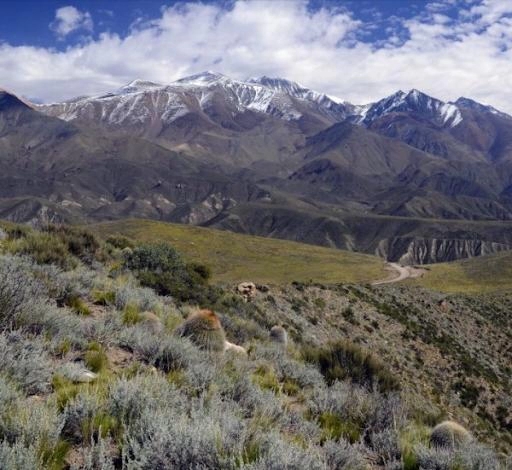
Nestled one hour southwest of Mendoza city in the foothills of the Andes Mountains, Valle de Uco represents Argentina’s highest and most talked-about wine valley. This is where the world’s most ambitious new wine estates have been built. At elevations ranging from three thousand to five thousand feet, Uco Valley Mendoza is a landscape transformed by international winemakers-visionaries from Bordeaux, Napa Valley, and beyond who recognized something extraordinary in this high-altitude terrain. The valley combines rock, sand and clay soils with intense sunlight, extreme day-to-night temperature ranges, pristine air quality, and fresh snowmelt water flowing from the Andes. The result is wines known for elegance rather than weight. I have spent considerable time exploring these estates, staying within Valle de Uco, and tasting the wines that are redefining what Argentine wine can be. This is the new frontier.
Where Is the Uco Valley and How Far Is It From Mendoza?
Uco Valley Mendoza sits southwest of Mendoza city in the foothills of the Andes, roughly sixty to ninety minutes’ drive depending on which part of the valley you’re heading to. Vineyards sit at altitudes from three thousand to five thousand feet, significantly higher than Luján de Cuyo. The three rivers-Las Tunas and Tunuyán-mark the boundaries between Valle de Uco’s distinct sub-regions. The setting is unlike anywhere else in Mendoza: rock, sand and clay soils create mineral-rich terroir. Snowmelt rivers flowing out of the Andes provide clean water year-round. A long growing season means harvest runs late into April, with fruit hanging on the vines through a stunning transformation of autumn colors-yellow, orange, red-before final picking.
What Are the Sub-Regions of the Uco Valley?
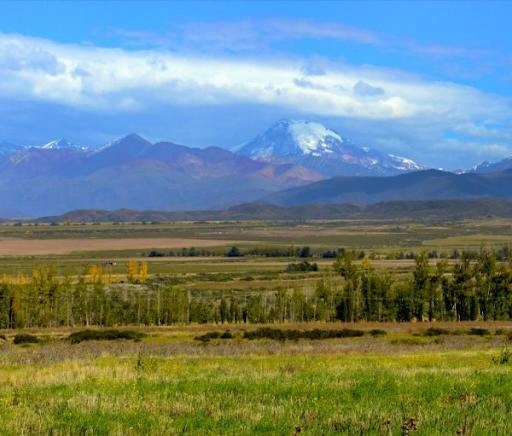
Valle de Uco is divided into three distinct regions, each with its own microclimate, soil composition, and notable producers. Tupungato sits in the north, defined by being north of the Las Tunas River. Tunuyán occupies the center, marked by the Las Tunas River to the north and the Tunuyán River to the south. San Carlos comprises the southern region, defined as being south of the Tunuyán River. These boundaries are more than geographic-they define how wine expresses itself across Uco Valley Mendoza.
|
Sub-Region |
Where It Sits |
Known For |
Notable Districts & Wineries |
|
Tupungato |
North of Las Tunas River |
Highest altitude, cool climate, elegance |
Gualtallary; Bodegas Salentein |
|
Tunuyán |
Between Las Tunas and Tunuyán rivers |
Limestone soils, innovative architecture |
Vista Flores, Los Chacayes; Giménez Riili, Zuccardi |
|
San Carlos |
South of Tunuyán River |
Extreme altitude, gravity-flow winemaking |
Paraje Altamira, La Consulta; O. Fournier |
Tupungato
North of the Las Tunas River, Tupungato wineries represent the highest elevations in Valle de Uco. Gualtallary is its most talked-about district. This is where Bodegas Salentein, one of Argentina’s most prestigious estates, produces its most elegant expressions. The cool, high-altitude climate here-intense sunlight combined with cold nights-favors wines of remarkable freshness and mineral complexity. Tupungato wineries showcase what altitude can achieve: wines with crisp acidity and refined structure.
Tunuyán
The center of Valle de Uco Mendoza, Tunuyán encompasses Vista Flores and Los Chacayes, home to innovative producers and the renowned Winemakers Village. Limestone-rich soils and moderate elevations here create ideal conditions for both Malbec and Chardonnay. Giménez Riili and Zuccardi Valle de Uco both call this region home. This is where Valle de Uco wineries combine cutting-edge architecture with family hospitality-a rare convergence.
San Carlos
The southernmost region, San Carlos sits at extreme altitude and includes Paraje Altamira and La Consulta. This is where O. Fournier, one of the world’s most innovative wineries, demonstrates gravity-flow winemaking at its finest. The late harvest here-often stretching to April-allows grapes to achieve full ripeness while retaining extraordinary freshness. Uco Valley wine from San Carlos carries the intensity of extreme elevation with the elegance of late ripening.
Why Does Uco Valley Wine Taste Different?
Altitude is everything in Uco Valley Mendoza. The height brings intense high-altitude sunlight-direct, unfiltered UV exposure. Add cold nights that slow ripening, and you create grapes that achieve full maturity while maintaining acidity. The result is wines known for elegance rather than weight. Uco Valley wine displays distinctive spicy and floral notes, crisp acidity, and remarkable complexity that sets it apart from the darker, weightier styles of other Mendoza regions.
Four Natural Factors Define Uco Valley Wines
Altitude and intense sunlight bring high-altitude UV exposure that drives deep, complex flavors and thick grape skins. Wide day-to-night temperature swings preserve acidity as daytime heat ripens fruit to perfection. Rock, sand and clay soils create mineral-rich terroir that contributes distinctive spice and structure. Snowmelt irrigation from the Andes provides pure, fresh water that sustains vines through the dry season.
The harvest here runs primarily in April-later than elsewhere in Mendoza because of altitude. Fruit hangs on the vines through autumn’s palette of yellow, orange and red before being picked at peak ripeness. Beyond Malbec, Valle de Uco wineries are proving themselves with Cabernet Franc, Chardonnay and Pinot Noir. Bodegas Salentein’s Cabernet Franc exemplifies what this region can achieve-elegant, structured, with dark fruit and subtle spice that speaks to the terroir.
Which Wineries Should You Visit in the Uco Valley?
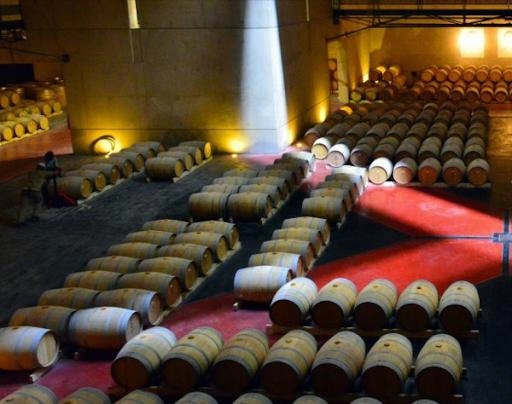
Four estates showcase Valle de Uco Mendoza at its finest. Three are architectural landmarks where design is inseparable from winemaking philosophy. The fourth is a family-run boutique operation where a five-course asado lunch paired with wine defines Argentine hospitality. All require advance reservations. Valle de Uco wineries welcome visitors, but they also protect their craft.
|
Winery |
Sub-Region |
Known For |
Book? |
|
Bodegas Salentein |
Tupungato |
Cross architecture, gaucho rides, amphitheater cellar, art |
Yes |
|
Zuccardi Valle de Uco |
Tunuyán/San Carlos |
Piedra Infinita building, World’s Best Vineyard award |
Yes |
|
O. Fournier |
San Carlos |
Aircraft wing roof, gravity flow, Urban restaurant |
Yes |
|
Giménez Riili |
Tunuyán |
Winemakers Village, family hospitality, asado lunch |
Reservation Only |
Bodegas Salentein
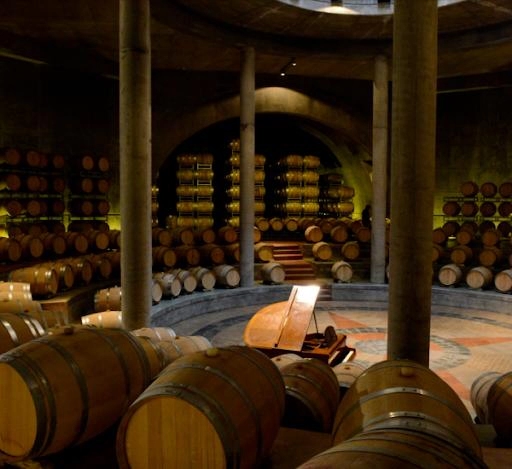
Designed by renowned architects Bórmida & Yanzón, Bodegas Salentein is shaped like a cross, with each of the four wings containing its own small winery focused on optimizing distinct quality. This architectural philosophy is functional genius-two levels allow a gentle gravity-flow of grapes from tanks to barrels, reducing distance and pump usage to maximize wine quality. The ground level houses stainless steel tanks and French wooden vats for fermentation and storage. Underground lies the cellar for aging wine in oak casks. At the center is a circular chamber resembling an ancient classical temple-housing five thousand oak barrels aging precious wine. Chief Winemaker José Galante has made it his mission to understand the microclimates throughout this massive estate. He plays music to his wines as they rest and age, believing that great winemaking is as much art as science. The estate itself is immense-five thousand acres total, two thousand planted with vineyards, stretching fourteen linear miles from thirty-four hundred to fifty-six hundred feet elevation, well into the Andes foothills where the growing cycle is short and the climate cool. Horseback riding with gauchos takes you up into the high elevations. You pass walnut orchards and towering álamo trees, witnessing history as you ride past the ruins of Casa Grande-an old farmhouse of Jesuit missionaries who came to the region in the seventeen hundreds. Stay at Posada Salentein, a sixteen-room hotel privately tucked away from the visitor area. This is a place where nature, art, culture, food and great wine converge.
Zuccardi Valle de Uco
In Paraje Altamira, San Carlos, the Piedra Infinita building is constructed from stone quarried in the valley itself-literally built from the terroir it farms. Sebastián Zuccardi has made site and soil his obsession, understanding deeply that Valle de Uco wineries succeed by respecting and understanding the land. His wines reflect this philosophy-expressions of place rather than manipulation. The winery was recognized as the World’s Best Vineyard for four consecutive years (two thousand nineteen to two thousand twenty-two), a testament to both vineyard excellence and winemaking approach. This is Valle de Uco Mendoza at its most focused and thoughtful.
O. Fournier
At the southernmost end of Valle de Uco, ninety minutes from Mendoza city, O. Fournier is an architectural masterpiece by Bórmida & Yanzón that won an architectural gold medal. The
roof is shaped like an aircraft wing-not for aesthetics, but for function. The wing design creates airflow below, keeping grapes and workers cool. Innovation permeates every detail. The entire winemaking process uses gravity to minimize pumping and maximize gentleness. From sorting downward to fermentation, to aging, to bottling-pumps are eliminated wherever possible. Rosemary grows above the aging cellar, naturally hydrating the air in this dry desert environment. The winery even has a built-in canal system within concrete floors to capture water used in meticulous cleaning. Wine from O. Fournier regularly wins the “Top one hundred Wines of the Year” award, achieving scores as high as ninety-four points. The Urban restaurant overlooks a lake and vineyards with the Andes as backdrop. It won the world’s greatest winery restaurant award. Every table looks out across the lake front, through vineyards, across to the mountains. Exquisite food paired with innovative wines. This is where Valle de Uco wineries meet culinary excellence.
Giménez Riili
The first winery in the Winemakers Village-a boutique collection of twelve small, high-quality wineries joined by a walking path along snowmelt Andes water-Giménez Riili is family hospitality at its finest. Located in Tunuyán, the Riili family welcomes visitors personally. Tour their winery, see the vintage gallery, wander gardens of native flora and wildlife. Then stay for their five-course traditional Argentine asado under outdoor cabanas overlooking vineyards and the Andes. The menu includes fresh-baked empanadas from a clay oven, grilled trout salad with beets and guacamole, chicken stew with vegetables and herbs, rib eye and tenderloin asado, and Malbec-infused peaches with homemade vanilla ice cream. Each course paired with a different wine from their cellar. This is where the best wineries in Uco Valley meet genuine Argentine hospitality and family tradition.
Both Salentein and O. Fournier were designed by Bórmida & Yanzón-architecture is part of why people travel to Valle de Uco Mendoza.
Where Should You Stay in the Uco Valley?
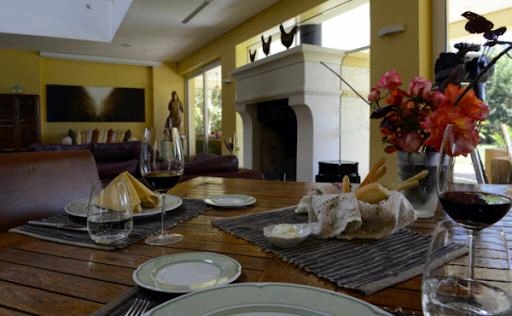
Stay inside Valle de Uco rather than driving back to Mendoza city each night. The best options are small and intimate-a converted estate home with a library, an adobe hotel among Malbec vineyards, a room on a winery estate. You wake to vineyard views and pristine mountain air.
Casa Antucura
Vista Flores, Tunuyán. An eight-bedroom estate home set among private vineyards. Built around a remarkable library-thousands of valuable and interesting books from around the world, collected over decades and displayed under a hand-painted dome ceiling showing the four seasons. The library is the soul of Casa Antucura. Owner Anne-Caroline Biancheri, a Literary Editor, has made books central to the experience. Each of the eight private rooms overlooks spectacular landscape-vineyards, the Andes, and silence. Private. Peaceful. Extraordinary.
Postales Hoteles Boutique
Colonia Las Rosas, Tunuyán. Nine rooms in an authentic adobe hacienda surrounded by Malbec vineyards, with a pool facing the Andes. Wake in the morning to quiet, peaceful, serene setting. Crisp clean air. Brilliant sunshine. Built with adobe walls and open beam ceilings of logs and bamboo, custom wood doors and antique furniture. Freely wander through the vineyards, watch sunrise yellow through the vines, take in the harmony of nature. There is a working winery on the property.
Posada Salentein
Sixteen rooms on the Salentein estate, at four thousand two hundred feet elevation, privately tucked away from the main visitor area. Own a restaurant. Vineyard views. Stay steps away from one of Valle de Uco Mendoza’s greatest wine operations. Imagine a place where nature, art, culture, food and great wine all come together for an awe-inspiring experience.
Michael Higgins has also documented The Vines Resort & Spa and Casa de Uco for readers seeking larger, luxury resort experiences when choosing where to stay in Uco Valley.
What Else Is There to Do in the Uco Valley?
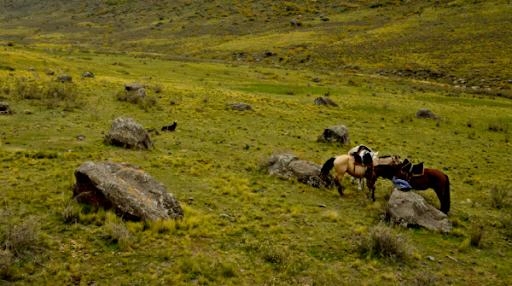
Beyond Valle de Uco wineries, this region is mountain country. The Manzano Histórico reserve is a natural preservation area at four thousand feet elevation where General José de
San Martín-Argentina’s most revered national hero-is said to have rested on his return from Chile. The reserve has its own microclimate, creating unique flora and fauna found nowhere else. It is a place of deep historical significance and extraordinary natural beauty.
Horseback riding with gaucho guides leads you into the high elevations of the Andes. Hiking and trekking on mountain trails pass through native flora and wilderness. Camping under Andes stars in pristine mountain air offers unforgettable nights. Fishing in snowmelt rivers and streams provides peaceful afternoons. Cycling tours through vineyards and valleys showcase the region from two wheels.
When Is the Best Time to Visit the Uco Valley?
Autumn, from March into April, when harvest is underway and vineyards transform into yellow, orange and red. Harvest here runs later than elsewhere in Mendoza because of altitude. This is when the valley pulses with energy-the urgency of picking, the smell of fermentation, the beauty of autumn colors. Spring (October through November) is the second-best window, offering perfect weather and vineyard beauty before the rush of harvest. Winter at this elevation is cold, making other seasons far more practical for Uco Valley wine tour experiences.
Can You Visit the Uco Valley as a Day Trip From Mendoza?
Yes, but you will only manage two or three best wineries in Uco Valley in a full day. An overnight stay is strongly recommended, especially if O. Fournier or anything in San Carlos is on your list-these are ninety minutes from Mendoza city. Start early. Hire a driver. Group Uco Valley wine tour destinations by sub-region to minimize driving time. Consider this journey as the core of a longer Mendoza trip, combining Valle de Uco wineries with Luján de Cuyo and Maipú over three to four days for the complete picture of what Mendoza wine is becoming.
Frequently Asked Questions
Is the Uco Valley Part of Mendoza?
Yes. Valle de Uco is the premier high-altitude sub-region of Mendoza, located one hour southwest of the city in the foothills of the Andes. It is Argentina’s highest wine valley and its most dynamic frontier.
How High Is the Uco Valley?
Vineyards range from three thousand to five thousand feet elevation, making it significantly higher than Luján de Cuyo. This altitude is the defining characteristic, bringing intense sunlight, cool nights, and elegance to every bottle.
What Grape Is the Uco Valley Known For?
Malbec is the signature grape. But Uco Valley wine tastes distinctly different from other Mendoza regions-more elegant, with spicy and floral notes, crisp acidity and refinement versus the darker, weightier style of Luján de Cuyo. Cabernet Franc, Chardonnay and Pinot Noir are thriving here as well.
Do You Need Reservations for Uco Valley Wineries?
Yes, almost all Valle de Uco wineries require advance reservations, usually twenty-four to forty-eight hours in advance. Your hotel can arrange appointments quickly. Walk-in visits are rarely available.
Can You Visit the Uco Valley Without a Car?
Not practically. Uco Valley wine tour companies operate from Mendoza city, or you can hire a private driver. Having your own transport allows the flexibility to explore the three sub-regions at your own pace and discover hidden valleys.
What Is the Difference Between Uco Valley and Luján de Cuyo?
Luján de Cuyo is Mendoza’s historic heart, established as Argentina’s first appellation in nineteen ninety-three. Valle de Uco Mendoza is higher elevation, cooler climate, newer, and known for wines of elegance and refinement. Luján produces darker, more structured Malbec. Uco Valley wine tastes fresher, spicier, more refined-two distinct expressions of Malbec defining Argentina’s wine future.