

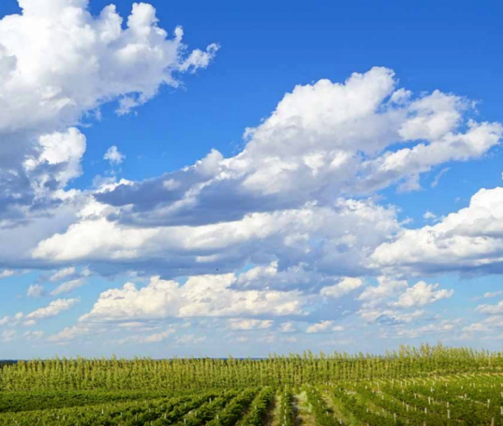
Where Is the Patagonia Wine Region
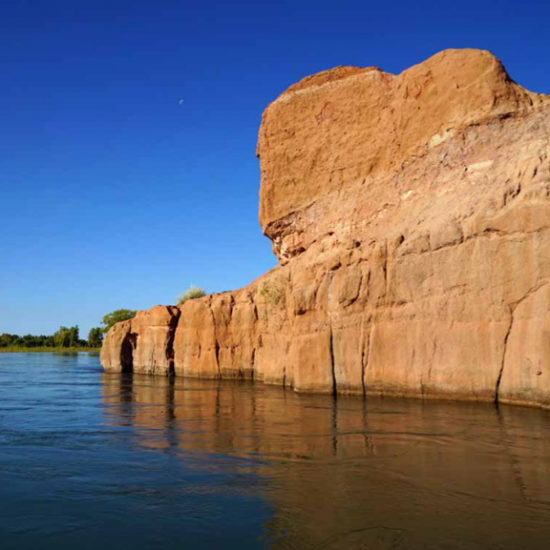
Argentina’s Patagonian wine region sits in the north of Patagonia, in two neighboring provinces, Río Negro and Neuquén. Most wineries sit along the river valleys around Neuquén city, so the two are usually visited together. If you are planning a trip, start with this map, because the two provinces shape the whole experience.
Patagonia is a big place, and the wine areas are spread out. In the book I describe Patagonia as the southern end of the wine map, with roughly 2,200 acres of Malbec planted here, which puts it ahead of Salta and La Rioja for Malbec vineyards. The three areas I came to know best were the Alto Valle of Río Negro, San Patricio del Chañar in Neuquén, and the estates in between.
| Province | Main Wine Area | Character | Vineyards Date
From |
Wineries on This Page |
| Río Negro | Alto Valle, around
General Roca and Mainqué |
Old vineyards and family wineries | Early 1900s, with some vines nearly a century old | Bodega Miras, Humberto Canale, Bodega Chacra, Bodega Noemía, Bodega
Aniello, Bodega Del Río Elorza |
| Neuquén | San Patricio del
Chañar |
Estates planted on open desert | Around 2000 | Familia Schroeder, Bodega Del Fin del Mundo, Secreto Patagónico |
Río Negro is the older of the two provinces for wine. The Alto Valle along the river has long established vineyards, and many of the family wineries here are run by the same families who planted them. The Alto Valle Río Negro is the heart of the older vineyards, and Rio Negro wine history begins right here. Many of the Río Negro wineries are small, and several welcome visitors for tastings by appointment. You can feel the history in every old row of vines.
Neuquén is the younger province, and its story is one of ambition. Its wine industry was built from nothing on the desert, with estates planted around 2000. San Patricio del Chañar is its center, and the vision of its pioneers is the main reason the province now has an international reputation for Pinot Noir. The neuquén wine style is precise and fresh, and Neuquén wineries share a clear sense of place, and the San Patricio del Chañar wineries are the best place to taste it. Neuquen wineries are few but mighty, and the Patagonia wine region’s newest estates are found here.
Is Patagonia the World’s Southernmost Wine Region?
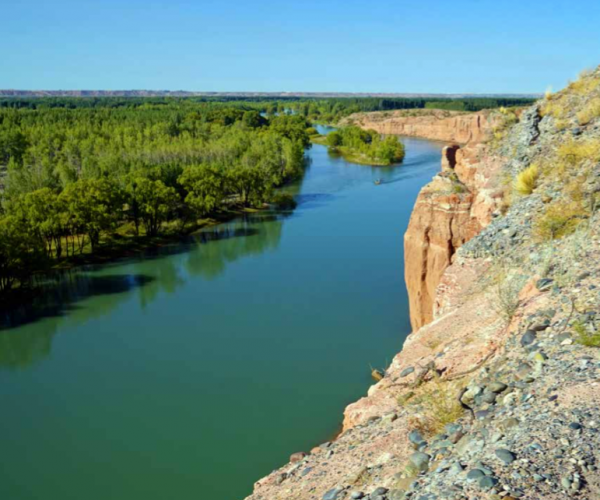
Almost. Río Negro and Neuquén are among the southernmost wine regions in the world, but Argentina’s Chubut province grows grapes even further south. What sets Neuquén apart is that it is one of the newest wine regions anywhere, planted from scratch around 2000. For visitors, it is a reminder of how far wine has traveled.
The book makes the bold claim that Patagonia has the southernmost vineyards in the world, and I still love that line. Neuquén’s story starts with the desert. The land was dry and open, with no natural water for crops. Irrigation from the rivers made the first vineyards possible, and the pioneers chose stony, well drained sites that the constant wind kept healthy. The first estates were a bet that cool climate varieties like Pinot Noir could succeed out here, and that bet paid off. Think of it as a vineyard grown out of the end of the map.
What Makes Patagonia Wine Different?
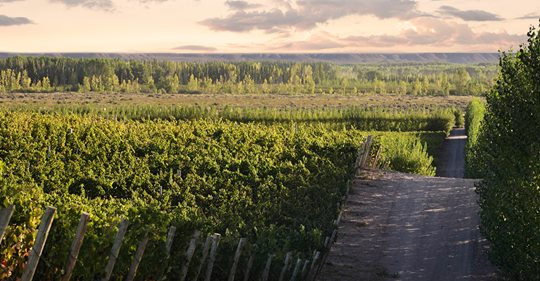
Wind, desert and cold nights are the three forces that shape Patagonian wine. Strong, constant wind keeps the vines healthy and makes grape skins thicker, while the big drop in temperature after dark keeps the wines fresh and balanced.
The main factors behind the character of the region are:
• Constant wind, which keeps disease away and thickens grape skins.
• Desert conditions, with every vineyard irrigated from the rivers.
• Warm days and cold nights, which hold acidity while the fruit ripens.
• Long summer days at this latitude, which give the grapes a slow, even ripening season.
• Old vines in Río Negro, some planted nearly a century ago.
Across the Patagonia wine region, the same forces produce a shared style. What this means in the glass is wine that is fresher and more delicate than most of what comes out of Mendoza. The reds have lift and precision rather than heavy weight, and the whites keep sharp acidity with a mineral edge. The winemakers here work with the wind rather than against it, and the wines reward patient, careful tasting.
What Wine Is Patagonia Known Forkes Patagonia Wine Different?
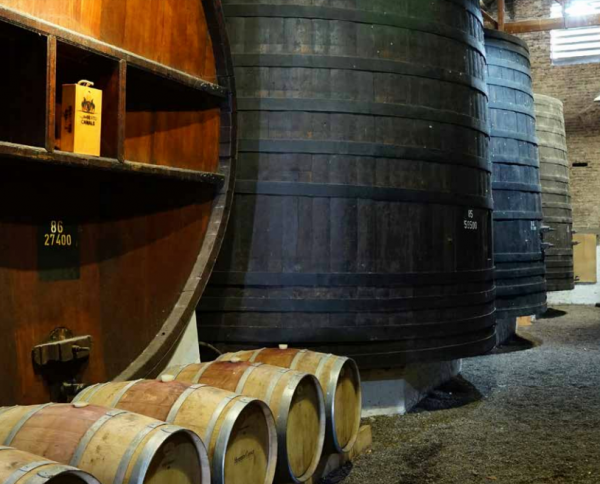
Pinot Noir above all, and Patagonia makes some of the best in South America. Malbec, Merlot, Cabernet Franc and Semillon also do well here, and the region has a growing tradition of sparkling wine.
Each grape shows a different side of the region:
• Pinot Noir: the signature variety, with red fruit, fine tannins and a Burgundy-like lift.
• Malbec: rich and structured, especially from older vines in Río Negro.
• Merlot: ripe and round, with good balance from the cool nights.
• Cabernet Franc: aromatic and savory, with fresh herbal notes.
• Semillon: a distinctive white with mineral flavors and good acidity.
• Sparkling wine: made from cool climate fruit, with crisp, fresh bubbles.
Patagonia pinot noir is closer in style to Burgundy and Oregon than to the dark, heavy reds of Mendoza and California. It has more color, concentration and perfume, and it shows the cool climate clearly. The book describes the region’s climate as making exceptionally aromatic Pinot Noir, and I found that to be true. The example that best makes the case is the 2010 Bodega Del Fin del Mundo single vineyard Pinot Noir, which I tasted on my visit. It had bright red fruit, fine structure and a long finish, and it is the wine that convinced me why Patagonia pinot noir deserves a place among the world’s best.
Which Wineries Should You Visit in Patagonia?
In Río Negro, visit the old family estates around General Roca and Mainqué, such as Humberto Canale and Bodega Miras. In Neuquén, head to San Patricio del Chañar for Familia Schroeder and Bodega Del Fin del Mundo. These Patagonia wineries show the region at its best, from historic family estates to modern cool climate cellars. Most of them welcome visitors, though you should book ahead.
| Winery | Province and Town | Known For | Winemaker or Family |
| Bodega Miras | Río Negro, Mainqué | Old vine wines with cellar potential | Marcelo Miras |
| Humberto Canale | Río Negro, General
Roca |
Oldest continuously operating estate | Canale family |
| Bodega Chacra | Río Negro, Mainqué | Single vineyard Pinot Noir from 1932 vines | Piero Incisa della
Rocchetta |
| Bodega Noemía | Río Negro, Mainqué | Malbec from old vines | Hans Vinding-Diers |
| Bodega Aniello | Río Negro, Alto Valle | Distinct approach to vineyard farming | Aniello family |
| Bodega Del Río
Elorza |
Río Negro, Fernández Oro | Small family wines, Verum Chardonnay | Agustín Lombroni |
| Familia Schroeder | Neuquén, San Patricio del Chañar | Saurus Pinot Noir and
dinosaur fossil |
Leonardo Puppato |
| Bodega Del Fin del Mundo | Neuquén, San Patricio del Chañar | Pinot Noir and skywalk
through the winery |
Julio Viola |
| Secreto Patagónico | Neuquén, San Patricio del Chañar | Small single vineyard wines | Santiago del Pin |
Bodega Miras and Marcelo Miras
Marcelo Miras is one of Patagonia’s most important winemakers. He made wine at Humberto Canale and helped shape the early wines of Bodega Del Fin del Mundo before focusing on his own family winery. His approach is rooted in old vines and traditional methods, which give the wines real class and long cellar life. Bodega Miras, based in Mainqué, is one of the stars of the rio negro wineries and the Río Negro wine scene, and its wines reward patient tasting.
Humberto Canale
Humberto Canale is the oldest continuously operating estate in Patagonia. Founded in General Roca by Humberto Canale, who arrived in 1909, the winery is still run by his family. Germán Barzi, who looks after the fruit growing, is part of the family’s current generation. The estate anchors the history of Río Negro wine, and it is a must visit for anyone curious about where the region started.
Bodega Chacra
Bodega Chacra sits in Mainqué and was founded in 2004 by Piero Incisa della Rocchetta, grandson of the creator of Sassicaia. Its single vineyard Pinot Noir Treinta y Dos comes from vines planted in 1932. The winery sets a global benchmark for Patagonian Pinot Noir, and the old vineyard blocks show what this terroir can do.
Bodega Noemía
Bodega Noemía is also in Mainqué and is known for Malbec from old vines. Its winemaker is Hans Vinding-Diers, who is also a key figure in the region’s modern era. The estate shows how old vines in Río Negro can produce concentrated, age worthy reds that stand apart from younger plantings.
Bodega Aniello
Bodega Aniello takes a different approach to farming its vineyards, and that approach sets it apart from many of its neighbors in the Alto Valle. It is worth a visit for anyone who wants to see how a different philosophy in the vineyard can shape the character of the wine.
Bodega Del Río Elorza
Bodega Del Río Elorza is a small family winery in Fernández Oro, in the Alto Valle. The winemaker is Agustín Lombroni, with Hans Vinding-Diers of Noemía consulting. The Verum Chardonnay is the wine I would reach for first, and it shows what a small family estate can achieve in Río Negro.
Familia Schroeder
Familia Schroeder pioneered San Patricio del Chañar, and its winemaker is Leonardo Puppato, with consultant Paul Hobbs. The winery is gravity fed and built into a slope. While the cellar was being dug, a fossil of Panamericansaurus (titanosaurian sauropod dinosaur from the Late Cretaceous Period) was found, and it is now on display inside the winery. That discovery is the reason the wines carry the Saurus name. The family also makes what the book calls possibly the only Pinot/Malbec blend in the world, so a visit here is both a tasting and a trip into deep time.
Bodega Del Fin del Mundo
Bodega Del Fin del Mundo is the estate that started Neuquén’s wine industry. Founded by Julio Viola in San Patricio del Chañar, the name means the end of the world. Its Pinot Noir vineyards are among the most important in the province, and a skywalk runs through the winery, giving you a striking view of the cellar and the landscape around it.
Secreto Patagónico
Secreto Patagónico is a family winery in San Patricio del Chañar, established in 2000, making small single vineyard wines. Its winemaker, Santiago del Pin, works in the small-scale tradition that defines the best of Neuquén’s newer estates. The wines show the precision and care of a family project built on the region’s cool climate.
Which Wineries Should You Visit in Patagonia?
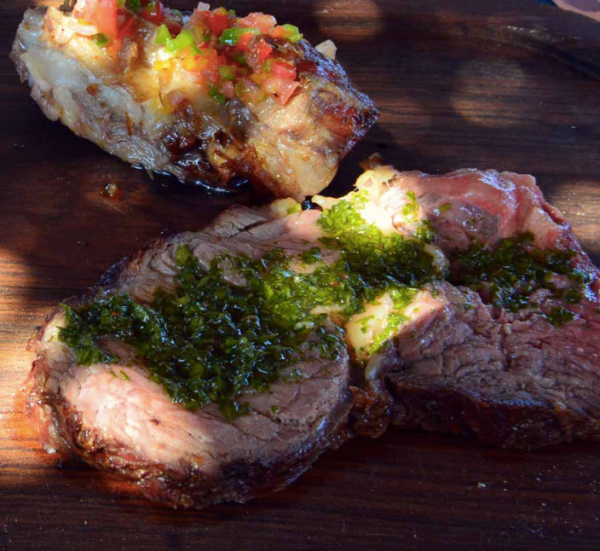
Patagonian lamb, slow roasted over an open fire, is the dish to try. It pairs naturally with the region’s Pinot Noir and Malbec, and the rich, savory meat suits the structure and freshness of the wines.
You can find this combination even before you reach the wine country. In Buenos Aires, the chef at El Baqueano Cocina serves a Cordero Patagónico, Patagonian lamb with goat yogurt and seaweed, paired with Desierto Pampa Malbec made by Paul Hobbs in Patagonia. It is one of the most memorable pairings in the book, and it proves the point: the lamb and the Patagonian Malbec were made for each other. Ask for a Pinot Noir from San Patricio del Chañar if you want a lighter match.
What Else Is There to Do in Patagonia’s Wine Country?
Northern Patagonia is dinosaur country. Fossils have been found across Neuquén, including one under a winery. The open landscape also suits outdoor adventure, with wide desert views, river valleys and dramatic light.
Activities worth adding to your plan include:
• Seeing the dinosaur fossil inside Familia Schroeder’s cellar.
• Rappelling and climbing in the surrounding landscape, a favorite of mine on this trip.
• Photographing the desert landscape and the river valleys at sunrise and sunset.
• Stopping at a local craft brewery, such as Cervecería Owe in Neuquén city, where the beers are some of the best you will drink in Argentina.
How Do You Get to the Patagonia Wine Region?
Fly to Neuquén city, the main gateway, from Buenos Aires, and plan your Patagonia wineries visits from there. Both wine areas are within driving distance, with San Patricio del Chañar to the north and the Alto Valle of Río Negro to the east.
A Patagonia wine tour is simplest when you have your own transport. Hiring a car gives you the most freedom, since the wineries are spread across long distances and many sit off the main roads. A driver is a good option if you want to taste without worrying about the road, and a hired driver can help you group wineries by area so you spend less time on the highway. Given the distances, you really need a car or driver to see the region properly. The best approach is to base yourself in Neuquén city for the north and move to the Alto Valle for the Río Negro estates.
When Is the Best Time to Visit the Patagonia Wine Region?
Harvest, from February to April, is the best time to visit, and some wineries let visitors pick grapes. Spring and early autumn are also pleasant, while winter is cold and windy. Harvest brings the region alive, and it brings energy to every winery. Some wineries also run vine pruning activities in July and August, which is a quieter but equally rewarding way to see the vineyards in their winter form. Plan your visit around these months if you want hands on time in the vineyard.
How Many Days Do You Need for the Patagonia Wine Region?
Six to seven days is a great length for the Patagonia wine region, and the three top days anchor the trip one for Neuquén’s wineries, one for Río Negro’s, and a third for a long lunch, the landscape or a return visit. Three days lets you taste without rushing and still leave room for the desert.
A simple three-day Patagonia wine tour looks like this:
• Day 1: the San Patricio del Chañar wineries, with Familia Schroeder and Bodega Del Fin del Mundo.
• Day 2: the Alto Valle Río Negro estates, with Humberto Canale and Bodega Miras, then Bodega Chacra or Bodega Noemía.
• Day 3: a lamb lunch, the landscape, or another visit to a winery.
Frequently Asked Questions
Is Patagonia Wine Good?
Yes. Patagonia wine is known for fresh, precise reds, especially Pinot Noir, and its whites carry sharp acidity and mineral character. The wines have earned international awards and a growing reputation among serious collectors and sommeliers. Once you taste them, you will understand why the region is so admired.
What Is the Best Grape in Patagonia?
Pinot Noir is the best known grape in Patagonia. It thrives in the cool climate and the wind, and the region is among the best sources of Pinot Noir in South America. Malbec from old vines in Río Negro is also a standout, and river valleys from Río Negro to Neuquén each add their own voice to the mix.
Is Neuquén or Río Negro Better for Wine Tourism?
Both are worth visiting, and the choice depends on your interests. Río Negro offers historic family estates and old vines, while Neuquén offers modern cool climate wineries and dinosaur fossils. Most visitors see both on one trip, and that is how I would do it.
Do Patagonia Wineries Need Reservations?
Most Patagonia wine region wineries welcome visitors, but many require advance reservations, especially for tours and tastings. Booking ahead is strongly recommended, and your hotel or a local tour operator can help arrange visits quickly.
Can You Combine a Patagonia Wine Trip with Mendoza?
No, the two regions are far apart and need a flight. Many travelers fly between Neuquén city and Mendoza, which makes a combined trip possible over a week or more. Each region offers a very different style of wine and landscape.
What Is the Difference Between Patagonia and Mendoza Wine?
Patagonia is cooler, windier and drier at lower altitude, which gives fresher, more delicate wines. Mendoza is warmer and higher, producing bolder, darker reds, especially Malbec. Patagonia is best known for Pinot Noir, while Mendoza is best known for Malbec.